DID YOU KNOW?
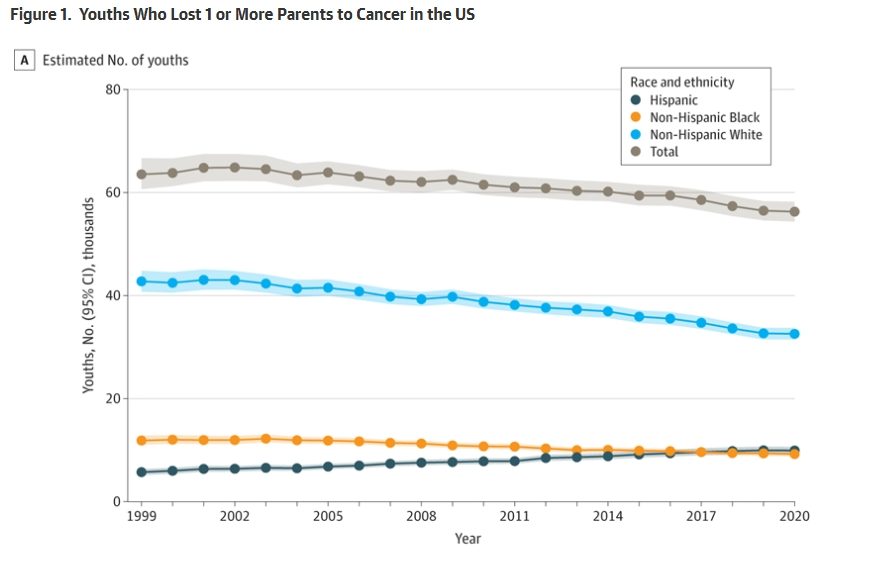
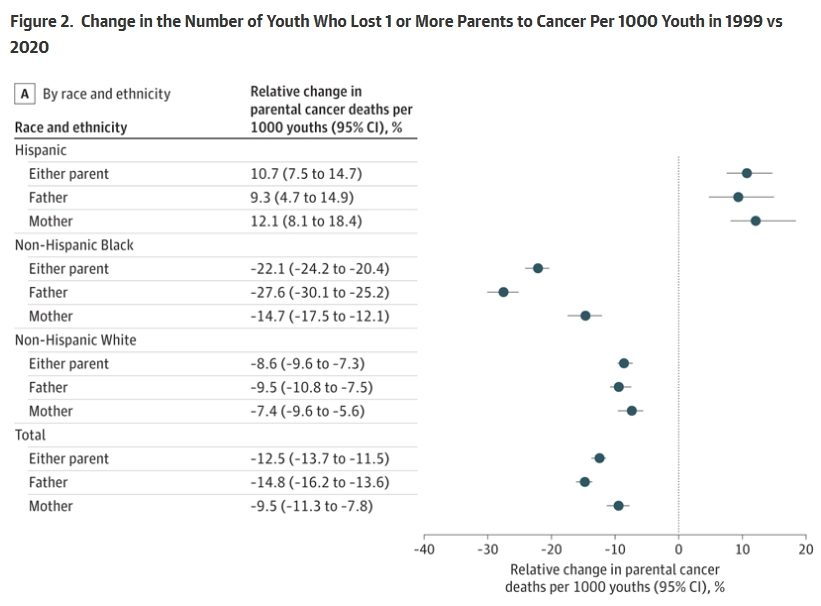
From 1999 to 2020, over 1.35 million US youths lost a parent to cancer, with roughly 30,400 losing a father in 2020 alone. Paternal deaths from cancer drive a significant portion of this loss, with an average age of 12 for children at the time of paternal death.
30,400 youths in the U.S. losing a father to cancer annually
Losing a father is linked to increased stress at a cellular level.
Children who lose a parent are more likely to experience prolonged grief if they do not receive adequate support.
5.5 Million Men Worldwide Have Led to 1.41 Million New Paternal Orphans
A few things to know…
According to research from organizations such as the American Psychological Association and the Centers for Disease Control and Prevention, supportive relationships are one of the most powerful factors in helping children recover from
adversity.
A single caring adult can significantly improve a child’s long-term outcomes.
This is why mentorship, athletics, leadership development, grief support, and positive male role models—like those provided through programs such as BenBetter Boys Corporation—can play a critical role in helping boys heal, grow, and build successful futures despite experiencing loss.
Studies show that childhood trauma, including the death of a parent, can affect brain development and stress-response systems
Boys who lose a father may struggle with identity development, self-esteem, and emotional regulation.
The body’s stress hormone (cortisol) may remain elevated for longer periods following significant childhood loss.
Early intervention through counseling, mentoring, sports, and supportive relationships can help build resilience and improve long-term outcomes
Millions of men worldwide are diagnosed with cancer each year.
Early detection through screenings and regular medical checkups greatly improves survival rates for many cancers.

“The loss of a parent is an earthquake in the life of a child. The emotional world of the family is profoundly shaken and will never again be precisely what it was before that death. The nature and extent of the damage may not be known for some time. This means that there needs to be not only first responders, but a kind of continuous attention to ongoing reactions”
Mannarino, A., & Cohen, J. (2011). Traumatic loss in children and adolescents. J of Child & Adolescent Trauma